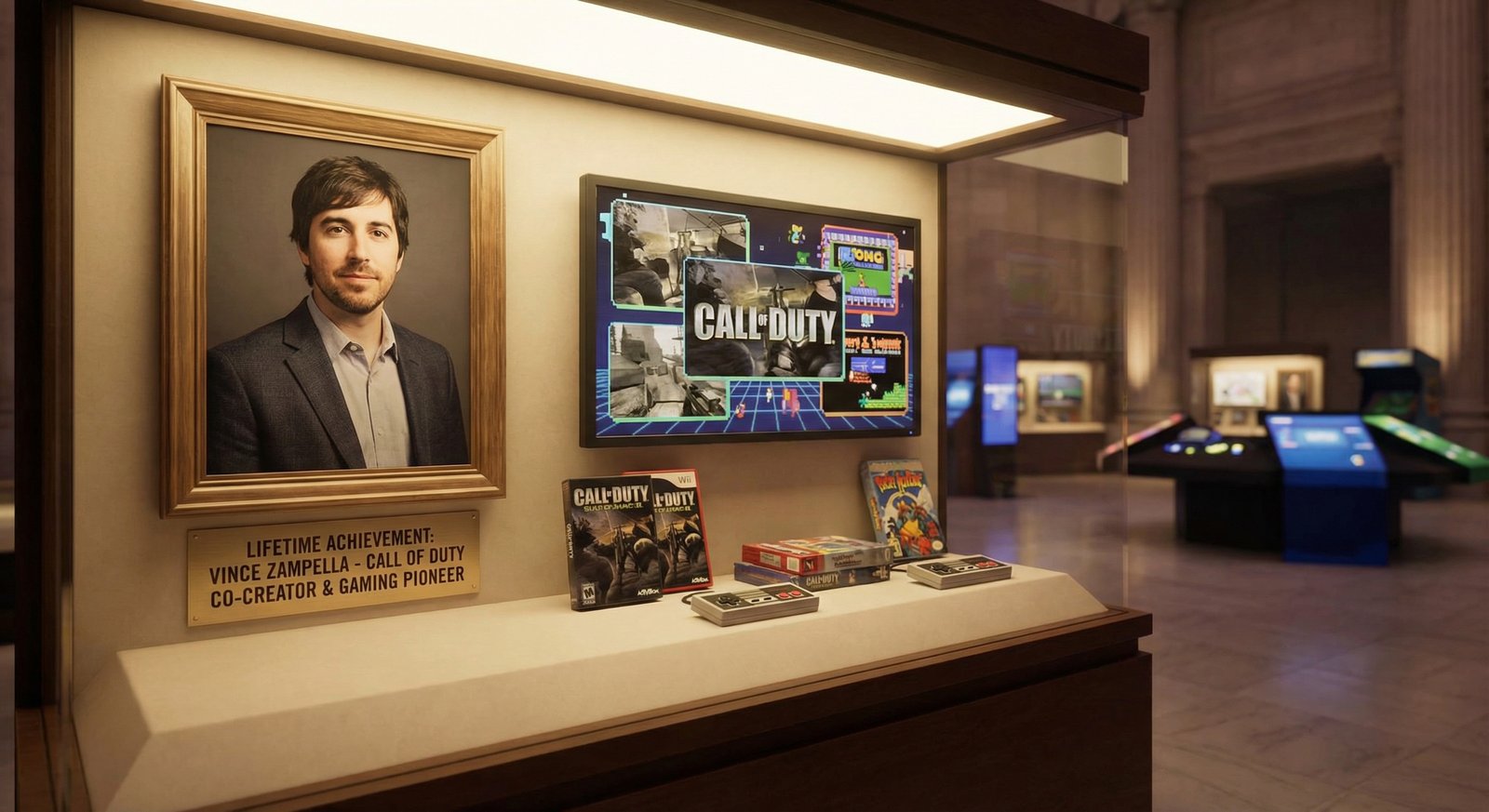
Who was Vince Zampella? He’s one of those names that pops up whenever people talk about the big shifts in modern video games. The guy didn’t just work in the industry—he helped shape it. Growing up, Zampella was always drawn to games. He jumped into the business in the mid-90s, grinding away on early projects that sharpened both his creative instincts and his technical chops. Back in 1995, he put his stamp on titles like NBA Jam Tournament Edition and some Atari Jaguar games. Those first steps set him up for everything that came next, laying the groundwork for a career that would change how people play and make games.

Over the last twenty years, Zampella built up a list of more than 55 credits, working on over 33 different games. He started out right in the thick of production, then moved up to leading big-name franchises from the top. His path from hands-on producer to industry leader really shows the kind of grit and skill it takes to make it in the fast-paced, high-pressure world of game development. While a lot of people in the industry stick to one specialty, Zampella bounced between roles, genres, and platforms, always pushing for something new.
Call of Duty is where he truly made his mark. Zampella didn’t just help launch a hit; he helped change the way people think about first-person shooters. When Call of Duty dropped in 2003, it focused on World War II battles, but the series didn’t sit still for long. It shifted into modern warfare and kept players hooked, drawing in millions from around the world. It took off in a way few games ever do, with over 500 million copies sold—making it one of the best-selling franchises of all time.

Call of Duty’s impact went way beyond just selling a ton of copies. It raised the bar for how shooters told stories, how players battled each other online, and even how esports worked. When Modern Warfare 2 dropped in 2009, it didn’t just break sales records (over a billion dollars worldwide, by the way); it turned into a full-blown cultural event. That game alone showed how Zampella knew how to craft something that didn’t just pull in gamers—it grabbed everyone’s attention, even folks who didn’t usually care about games.
As the CEO of Infinity Ward, the team behind the original Call of Duty games, Zampella wasn’t just the creative mind in the room. He ran big teams, handled all the messy business stuff, and kept a massive franchise humming along. People knew him for pushing creative boundaries and always putting players first—values that set Infinity Ward’s best games apart.
Then came Respawn. In 2010, Zampella set up shop with Respawn Entertainment, starting a whole new chapter. With EA backing them, Respawn quickly got a reputation for shaking things up. They rolled out hit after hit, always trying new things in game design and finding fresh ways to get players involved. Zampella’s whole approach? Mix technical breakthroughs with great stories, and always build games that make players feel like they’re part of something bigger.

Under Vince Zampella, Respawn Entertainment changed the game—literally. They built Titanfall, a shooter that shook things up with wall-running parkour and those huge mechs stomping around. It wasn’t just another shooter; suddenly, players had new ways to fight and move, and the whole genre felt fresh again.
Then came Apex Legends in 2019. It didn’t just join the battle royale craze; it exploded. Tens of millions jumped in right away. Respawn nailed character design and squad-based play, so it stood out from the pack and pulled together a massive, passionate fanbase from all over the world.
But Respawn didn’t stick to just shooters. They took on Star Wars and actually made it work—Jedi: Fallen Order and its follow-ups let fans dive into that galaxy in a way that felt real and immersive. All these projects showed that Zampella wasn’t afraid to take risks or mix things up. He proved you can chase big ideas, lead teams across wildly different projects, and still deliver games that players and critics love.
Fast forward to 2025, and Zampella’s still pushing boundaries—now over at Electronic Arts. He took the reins on Battlefield 6 and helped launch it as one of the year’s biggest hits. His knack for managing huge multiplayer games, while also keeping a series true to its roots, paid off again when Battlefield 6 dropped on October 10, 2025. With Zampella steering the ship, even long-running franchises find new energy and new ways to surprise players.

At EA, he didn’t just stick around—he kept proving that he mattered. Two decades in, and Zampella was still pushing the limits of what games could be. While others might’ve stepped aside, he kept leading, mentoring, and genuinely shaping new talent. He jumped into new tech and paid close attention to what players wanted, always thinking ahead. That’s the mark of someone who’s not just in it for the now, but someone who cares about where games are headed.
Legacy and Industry Impact: A Titan of Modern Gaming
After Zampella’s sudden passing, EA called him “a visionary creator, leader, and force who shaped teams and games.” They really meant it. His influence stretched way beyond any one studio or project. Think about it: Call of Duty, Titanfall, Apex Legends, the Star Wars Jedi series, Battlefield—he left his mark on all of them. Zampella helped redefine what modern games look and feel like for millions of players around the world.

Vince Zampella wasn’t just a business success—he shaped the entire culture of game development. People who worked with him talk about how he always stood up for what mattered to his teams and to players, putting quality and real innovation ahead of just chasing quick profits. He showed everyone that you can push creative boundaries and still make it work as a business. A lot of studios and developers took notes from his style, and you can see traces of his influence all over the industry.
His impact didn’t stop at the games themselves. Zampella’s work changed the world of competitive gaming and esports, too. Franchises he built, like Call of Duty and Apex Legends, became the backbone of pro tournaments and racked up billions of views. For tons of pro gamers, these titles opened doors to real careers. His games set the tone for what modern gaming looks like, and new titles are still following in his footsteps.
When news broke about Zampella’s passing on December 23, 2025, the response from the gaming world was immediate and heartfelt. Developers, community leaders, and fans everywhere came together to remember what he’d done for them, and how he’d shaped the industry. The wave of respect and gratitude said everything about his legacy.
Studios that thrived under his leadership—Respawn Entertainment, Infinity Ward, and Electronic Arts—shared how much they owed to his vision and guidance. For millions of players, especially those who grew up with Call of Duty, Titanfall, and Apex Legends, losing Zampella felt like losing the creative force who defined their favorite games.
Looking back, Zampella’s career is a real example of what happens when talent, vision, and leadership come together. He started with smaller projects and grew into the creator behind billion-dollar franchises. He didn’t just make popular games—he made games that meant something to people, and that shaped the way they thought about gaming.
His passing at 55 is a harsh reminder that life doesn’t always go the way we expect, and that we should appreciate people like him while they’re here. But his legacy isn’t going anywhere. It lives on in the studios he built, the teams he mentored, and the millions who play the games he brought to life. As gaming keeps evolving and new tech comes along, Zampella’s work will keep setting the bar for what’s possible.
Comments
Leave a Comment
No comments yet. Be the first to share your thoughts!