Richard Linklater jumped into filmmaking back in 1990 with "Slacker." Even though he only had $23,000 to work with, he managed to shake things up. "Slacker" didn’t follow the usual rules — it wandered through everyday life, capturing real conversations and digging into big ideas without fancy effects or a tight plot. Right from the start, Linklater showed you didn’t need a big budget or a traditional story to make something that feels alive and honest. That first film set the tone for everything he did after.

For more than thirty years, Linklater has stuck to his guns. He doesn’t bend his vision just to chase box office numbers. Still, the awards and nominations keep piling up—eight from the Academy, six BAFTAs, thirteen Golden Globes. He’s actually won an Oscar, three BAFTAs, and three Golden Globes. And his films? They’ve brought in over $287 million worldwide. So, staying true to his style hasn’t stopped him from hitting it big.
Boyhood (2014): Linklater at His Best
"Boyhood" is really the crown jewel of Linklater’s career. Critics love it—97% on Rotten Tomatoes, a perfect 100 on Metacritic. It’s the ultimate expression of everything Linklater stands for as a director, and honestly, it’s his boldest project yet.
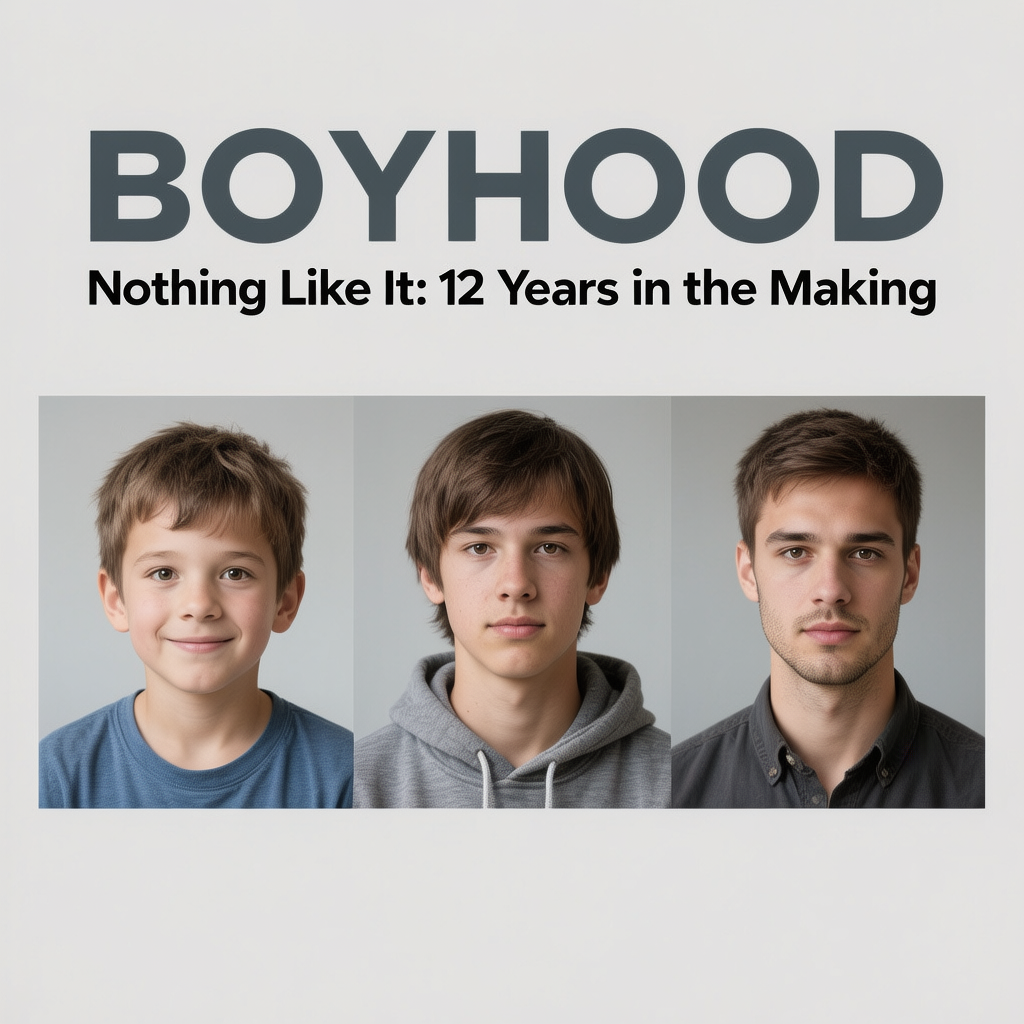
Nothing Like It: 12 Years in the Making
What sets "Boyhood" apart is how he made it. Linklater started filming back in 2002 and kept going for twelve years, finally wrapping up in 2014. Ellar Coltrane, the main actor, and the rest of the cast came back year after year, aging right in front of the camera. There was no need for makeup tricks or digital effects—just real people, growing and changing as time passed. The result feels honest in a way you don’t usually see on screen.

Nobody had ever tried shooting a narrative feature over such a long stretch of time before. Usually, actors rely on makeup or other tricks to look older or younger, but Richard Linklater did something wild—he just let his cast age naturally, filming them over more than a decade. That’s not just different; it’s a first in movie history.
When "Boyhood" came out, critics went wild. The film scooped up three Oscars, including Best Film Editing, plus three Golden Globes (with Best Motion Picture – Drama in the mix), and three BAFTAs. It landed six Oscar nominations in total, making it one of the most honored films of the 2010s.
Linklater himself got a ton of praise. He picked up nominations for Best Director from the Academy, the Golden Globes, and BAFTA. So yeah, people noticed the unique concept, but the real reason "Boyhood" stood out was Linklater’s sharp direction and vision.

Narrative and Thematic Significance
"Boyhood" doesn’t just tell a coming-of-age story—it lives it. We follow Mason (Ellar Coltrane) from six to eighteen, but instead of big, dramatic twists, Linklater zeroes in on the real stuff: family dinners, awkward road trips, birthdays, graduations, and everything in between. Each scene feels honest, pulled straight from real life, and you watch Mason actually grow up on screen. It’s raw, almost shockingly authentic.
The magic here isn’t in plot twists or wild story arcs. Linklater wants you to notice time itself—the way people change, stumble, get back up, and just keep moving. By filming over twelve years, he turns Mason’s life into a quiet meditation on growing up. It goes beyond the usual coming-of-age movie; it feels almost universal.
Box Office and Cultural Impact
Even though "Boyhood" clearly aims high artistically, it didn’t just win over critics. People showed up. On a $4 million budget, the film pulled in $48.1 million worldwide. That’s huge. The success proved that Linklater’s natural style and focus on ordinary moments spoke to audiences, not just film buffs.
Before Sunrise (1995): The Perfect Romance Film
"Before Sunrise," from 1995, is another high point for Linklater. Honestly, it’s about as close as movies get to the perfect romance—just ask the critics: it landed a 100% on Rotten Tomatoes.
The Power of Dialogue and Performance
There’s no flashy setup. Two strangers meet on a train, spend the night wandering Vienna, and talk. That’s it. But in Linklater’s hands, this simple premise turns into something almost magical. One critic nailed it, calling it "an awe-inspiring opus on falling in love."
It works because Linklater trusts the conversation. He lets the camera linger, no quick cuts or dramatic music cues, just two people walking and talking. The emotion sneaks up on you—you feel their connection in the pauses, the laughter, the way the city hums around them.
Technical Innovation Through Restraint
What’s wild is how technically sharp the film is, even though you barely notice. The camera, the editing, the lighting—they all fade into the background, letting the story and performances take the lead. That kind of restraint is rare. Linklater knows what he’s doing, but he never shows off. Everything works together to pull you in, without ever pulling focus.

The Before Trilogy Legacy
Back in 1995, “Before Sunrise” kicked off what would become Richard Linklater’s most celebrated work: the Before Trilogy. Over nearly twenty years, these three films—“Before Sunrise,” “Before Sunset,” and “Before Midnight”—followed Ethan Hawke and Julie Delpy’s characters as they grew up, fell in love, and wrestled with what it actually means to connect with someone over time. Each movie drops in on them at a different point in their lives, asking how love and relationships survive—or don’t—when real life gets in the way.
Before Midnight (2013): The Trilogy Masterpiece
By the time “Before Midnight” rolled around, Linklater had pulled off something rare. The film scored a staggering 98% on Rotten Tomatoes and a 94 on Metacritic. Critics agreed: he’d managed to keep the magic alive for almost two decades, letting us watch these same two people change and age, right along with us.
The Mature Meditation on Love
“Before Midnight” doesn’t just revisit Jesse and Céline as starry-eyed lovers. Now they’re married, they have kids, and they’re facing all the messiness that comes with long-term commitment—growing older, drifting apart, finding their way back. Instead of leaning into clichés or easy answers, Linklater digs deep, showing love as something complicated and fragile, but still worth fighting for.
Recognition for Sustained Excellence
The film’s writing didn’t go unnoticed. “Before Midnight” picked up Oscar and Golden Globe nominations, especially for Best Adapted Screenplay. Even in this final chapter, Linklater’s sharp dialogue and attention to character kept the bar high, earning him the kind of recognition that matters in Hollywood.
Dazed and Confused (1993): The Cult Classic
Then there’s “Dazed and Confused.” Released in 1993, it scored 94% on Rotten Tomatoes and a 78 on Metacritic, cementing its reputation as one of those movies everyone passes around in college. It captured the chaos and weirdness of high school in the ‘70s better than almost any other film, and you can still feel its influence on coming-of-age movies today.
Period Authenticity and Ensemble Storytelling
Set on the last day of school in May 1976, “Dazed and Confused” doesn’t stick with just one main character. Instead, Linklater lets the camera wander, picking up bits and pieces of everyone’s night. That ensemble style made the film feel honest and alive—and you can see echoes of it in all kinds of movies that came later.


- Highest-Rated: Boyhood
(97%), Before Sunrise (100%)
- Critically
Acclaimed: Before Midnight (98%), Before Sunset (95%), Hit Man
(95%)
- Cult
Classics: Dazed and Confused (94%), School of Rock (92%)
- Experimental
Works: Waking Life (80%), A Scanner Darkly (69%)
- Commercial
Works: Bad News Bears (48%), Fast Food Nation (50%)
Awards and Industry Recognition
Richard Linklater has picked up some serious praise from the film world:
Academy Awards
- 8
nominations across his career
- 1
win (Best Film Editing for Boyhood)
- Nominations
for Best Director multiple times
- Nominations
for screenwriting
BAFTA Awards
- 6
nominations
- 3
wins (including Best Film for Boyhood)
- Best
Director nominations
Golden Globe Awards
- 13
nominations
- 3
wins (including Best Motion Picture – Drama for Boyhood)
- Multiple
Best Director and Best Screenplay nominations
Independent Spirit Awards
- Best
Director win for his overall body of work
A Filmmaker Who Never Wavers
Look at his films, and you start to notice some familiar threads running through almost everything he does:
He Puts Conversation First
Doesn’t matter if the story’s about teenagers on their last day of school, two people falling in love in Vienna, or a long-term couple wrestling with life on vacation—Linklater always puts dialogue front and center. He believes in the power of honest conversation to drive his stories and reveal real emotion. That’s what sets him apart from directors who chase big visuals or complicated plots.
Time Isn’t Just Background—It’s Alive
You can’t talk about Linklater without talking about time. He shot “Boyhood” over 12 years. His trilogy covers decades in the lives of two people. His movies ask real questions: How do we change? What happens to our relationships as we get older? How does time shape who we are?
He Trusts His Actors
Instead of chasing big-name actors for the sake of it, Linklater prefers ensemble casts and lets his actors breathe. He’s known for long, uninterrupted takes where people just talk. It feels raw, honest—like you’re eavesdropping on real life instead of watching a scripted movie.
He Sneaks Big Ideas Into Everyday Stories
Even when he’s making a mainstream movie, Linklater can’t help but weave in big, philosophical questions about life, love, and what it all means. He manages to balance the thoughtful, art-house vibe with stories that feel totally accessible.
A Legacy That Sticks
Richard Linklater’s become one of the most respected filmmakers working today—not just because his movies win awards, but because he keeps digging deep into what it means to be human. “Boyhood” hit a perfect Metacritic score. “Before Sunrise” is as romantic as cinema gets. “Dazed and Confused” reached cult classic status, and “School of Rock” was a box office hit. That’s range. But underneath it all, he’s never lost sight of what matters to him as an artist.
His films prove that audiences crave real conversations, the quiet passing of time, and movies that aren’t afraid to ask big questions. In a world obsessed with special effects and quick payoffs, Linklater’s work stands as proof that honesty and substance still matter. His best films aren’t going anywhere—they’ll keep inspiring new filmmakers and touching audiences for years down the line.
Comments
Leave a Comment
No comments yet. Be the first to share your thoughts!